Meet Dr. Paul Rim, DMD, MS
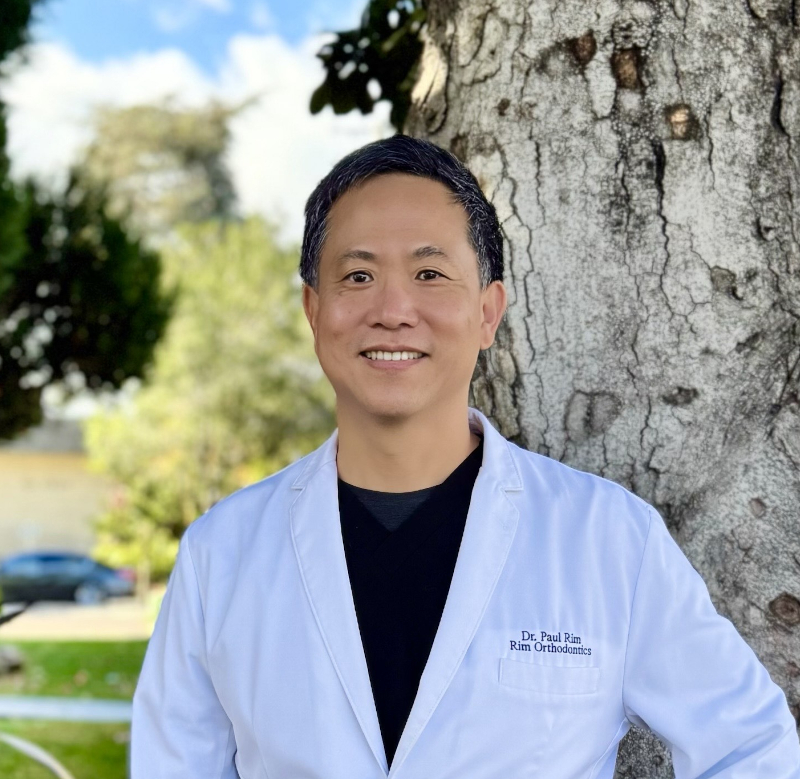
Dr. Paul Rim, DMD, MS
Orthodontist in Redwood City, California
Harvard Dental School • UCSF Dentofacial Orthodontics • 25+ Years of Orthodontic Experience
Orthodontist in Redwood City, California
Choosing an orthodontist is about more than creating a straighter smile. Orthodontic treatment can affect how your teeth fit together, how your bite functions, and the long-term stability of your results. I believe that thoughtful diagnosis and individualized treatment planning are essential to achieving the best possible outcome for each patient.
I am Dr. Paul Rim, DMD, MS, an orthodontist providing comprehensive orthodontic care for children, teens, and adults in Redwood City and the surrounding Peninsula communities. I earned my dental degree with Honors from Harvard Dental School and completed my orthodontic training at the University of California, San Francisco (UCSF) where I served as the Chief Resident.
I have been practicing orthodontics for more than 25 years, and I continue to enjoy the opportunity to work with patients and families as they progress through treatment.
Why I Became an Orthodontist
My interest in orthodontics began with my own experience as a young orthodontic patient. I remember the difference orthodontic treatment made for me, both in my smile and in my confidence. That experience helped inspire me to pursue orthodontics as a career.
What continues to make orthodontics rewarding is that every patient presents a different combination of dental, skeletal, functional, and personal considerations. I enjoy the diagnostic process and the opportunity to develop a treatment plan that is appropriate for the individual patient rather than simply applying the same approach to everyone.
Education and Orthodontic Training
My education and specialty training have provided the foundation for my approach to orthodontic care.
Harvard Dental School
Doctor of Dental Medicine, Cum Laude
University of California, San Francisco (UCSF)
Certificate of Dentofacial Orthodontics and Master of Science in Oral Biology
Orthodontics is a specialty of dentistry focused on the diagnosis, prevention, and treatment of problems involving the alignment of the teeth and the relationship of the teeth and jaws.
My specialty training at UCSF allowed me to develop a deeper understanding of orthodontic diagnosis, tooth movement, facial growth and development, and the many factors that influence treatment planning. During his orthodontic training at UCSF, Dr. Rim participated in orthodontic and craniofacial research. My research was recognized by the American Association of Orthodontists with the Thomas M. Graber Award of Special Merit in 2005.
More Than 25 Years of Orthodontic Experience
Over the course of more than two decades in orthodontic practice, I have treated patients at many different stages of life and with a wide range of orthodontic concerns.
Treatment may involve relatively straightforward tooth alignment, or it may require more detailed evaluation of the bite, tooth position, growth and development, previous orthodontic treatment, or other dental considerations.
My goal is to understand the individual circumstances of each patient before recommending treatment.
My Approach to Orthodontic Treatment
I believe good orthodontic treatment begins with diagnosis rather than simply choosing an appliance.
During treatment planning, I consider factors such as:
- The patient’s goals and expectations
- The position and alignment of the teeth
- The patient’s bite, which is the relationship between the upper and lower teeth
- Facial and skeletal relationships
- Airway and breathing
- Growth and development when relevant
- The condition and position of the supporting structures around the teeth
- Any previous orthodontic treatment
There is not necessarily one treatment approach that is right for every patient. I discuss the available options, including their advantages, limitations, and potential risks, so that patients and families can make informed decisions about their care.
Caring for Children, Teens, and Adults
I provide orthodontic care for patients of different ages and stages of dental development.
Children
An early orthodontic evaluation can help determine whether a child would benefit from treatment, whether treatment may be appropriate later, or whether continued observation is the best approach.An early evaluation does not necessarily mean that a child needs braces or other active treatment immediately.
Teens
Adolescence is an important period for orthodontic treatment because the teeth and jaws are continuing to develop. Treatment may involve traditional braces or clear aligners, depending on the patient’s needs and treatment goals.Adults
Adults make up an important part of my practice. Some adults seek orthodontic treatment for the first time, while others return for treatment because their teeth have shifted following previous orthodontic treatment.Adult treatment may involve clear aligners, braces, or other approaches depending on the patient’s bite, tooth position, dental history, and goals.
Invisalign and Clear Aligners
Clear aligner treatment can be an effective option for many patients, including adults and teenagers.
As a Platinum Plus Invisalign Provider, I have experience using clear aligner therapy to address a wide range of orthodontic concerns.
However, I do not believe that Invisalign is automatically the best treatment for every patient. The appropriate treatment depends on the specific tooth movements and bite correction required, as well as the patient’s individual circumstances.
For some patients, braces may provide advantages that make them the more appropriate choice. My role is to help determine which approach is best suited to the individual patient.
Comprehensive and Complex Orthodontic Care
Some orthodontic problems require more detailed diagnosis and treatment planning than routine tooth alignment.
These may include patients with:
- Significant bite discrepancies
- Impacted teeth
- Previous orthodontic treatment
- Relapse or movement following orthodontic treatment
- More complicated tooth-position problems
- Treatment needs that require coordination with other dental specialists
When appropriate, orthodontic treatment may be coordinated with a patient’s general dentist, oral surgeon, periodontist, prosthodontist, or other dental specialist.
For more complicated cases, I believe it is particularly important to understand the diagnosis, discuss the available treatment options, and establish realistic expectations before beginning treatment.
Advanced Diagnostic and Digital Technology
Modern orthodontics provides tools that can improve both diagnosis and treatment planning.
Our practice uses digital scanning and other digital technologies to help evaluate patients and plan treatment. When clinically appropriate, three-dimensional imaging such as CBCT can provide additional information about the position of teeth, roots, and surrounding structures.
Technology is a tool rather than a substitute for clinical judgment. I use imaging and digital technology when the information it provides can contribute meaningfully to diagnosis or treatment planning.
A Personal Approach to Orthodontics
Although technology has changed orthodontic treatment considerably since I began practicing, one part of orthodontics has remained especially important to me: the relationship between the doctor, patient, and family.
I want my patients to understand why treatment is being recommended, what the alternatives are, and what they can reasonably expect during treatment.
Orthodontic treatment is a process that takes time. I enjoy getting to know my patients and families and seeing the gradual changes that take place throughout treatment.
Life Outside the Office
Outside of orthodontics, I enjoy spending time with my family, swimming, skiing, traveling, listening to jazz, and discovering new restaurants.
These interests provide a welcome balance to life in the office and allow me to spend time doing many of the things I enjoy with my family and friends.